Events
Argentina’s Web3 Moment: Lessons from Devconnect & ETHGlobal Buenos Aires

The Curvegrid team travelled from Japan to Argentina from November 15 to 23 for Devconnect and ETHGlobal Buenos Aires, connecting with builders, learning about Latin America’s local crypto scene, and exploring emerging technologies within the Ethereum ecosystem. If you couldn’t make it but were curious what the energy, themes, and takeaways were, here’s a grounded tour of what mattered and why we came home excited.

What Devconnect Argentina felt like (and why it mattered)
Devconnect isn’t a single conference hall with a single agenda. It’s designed to be an Ethereum “World’s Fair” spread across a city, bringing together core protocol folks, app builders, researchers, and first-time users in the same place.
The conference ran from November 17 to 22 at La Rural in Palermo, turning the venue into a week-long playground for global and local exhibitors.
The event intentionally split the experience into two perspectives:
For builders: They had a chance to meet teams, find talent, ship features, and get direct feedback from early users.
For users: They could test live apps, explore DeFi, gaming, privacy tools, and see what “the city of the future” on Ethereum could look like.
For six days, La Rural became an Ethereum World’s Fair filled with:
Application showcases featuring live demos and real usage
Core programming under one roof, including Ethereum Day
Community hubs on topics like ReFi, on-chain creators, and more
Dedicated coworking spaces for teams to continue building throughout the week

From our perspective, the “World’s Fair” theme resonated deeply. It reflected how we see blockchain today: not as a single-use technology, but as foundational infrastructure powering everything from finance to gaming, logistics, identity, and beyond.
Key Takeaways from the Talks
Here are the themes that repeatedly surfaced across talks and hallway conversations.
Privacy is a UX problem before it’s a crypto problem
Users care more about practical, everyday risk than abstract rights
Compliance and decentralisation can coexist, but we must aim for maximum legal privacy
Clear language is better than jargon; we should aim to use metaphors that users already understand
Takeaway: Privacy tooling won’t win through deeper math alone. It wins when onboarding, defaults, and language make users feel safe without needing to understand ZK proofs.
AI + crypto: On-chain rules for AI agents
Crypto may become a third constraint on AI (alongside math and regulation)
Agents need on-chain accountability, personalized rules, and guardrails
The human role shifts as an orchestrator while agents are the executors
Takeaway: As agents become normal, blockchains may be the safest place to give them money and permission without surrendering control.
On-chain payments: Agents are the logical users of blockchain
Blockchains suit 24/7 rule-abiding agents better than humans
Main blockers include throughput, data standards, and unclear ownership rules
Avoid recreating Web2-style lock-in mechanisms; preserve user control
Takeaway: Embedding payments and rules on-chain might be the cleanest way to let agents operate independently without recreating custodial platforms.
Institutions want crypto, but with familiar UX
They need policy-controlled wallets, access controls, and safer abstractions
Institutions now want to participate on-chain, not just by storing assets (they want to be involved as liquidity providers, in governance, or yields)
Interoperability is still a major pain point
Takeaway: The path to adoption is about meeting institutions halfway on UX and control models.
Consumer apps still haven’t cracked the mainstream
Cross-chain or cross-ecosystem work remains a challenge
UX and trust remain universal barriers to mass adoption
Takeaway: Despite amazing tech progress, mass adoption won’t happen until using crypto feels effortless and safe.
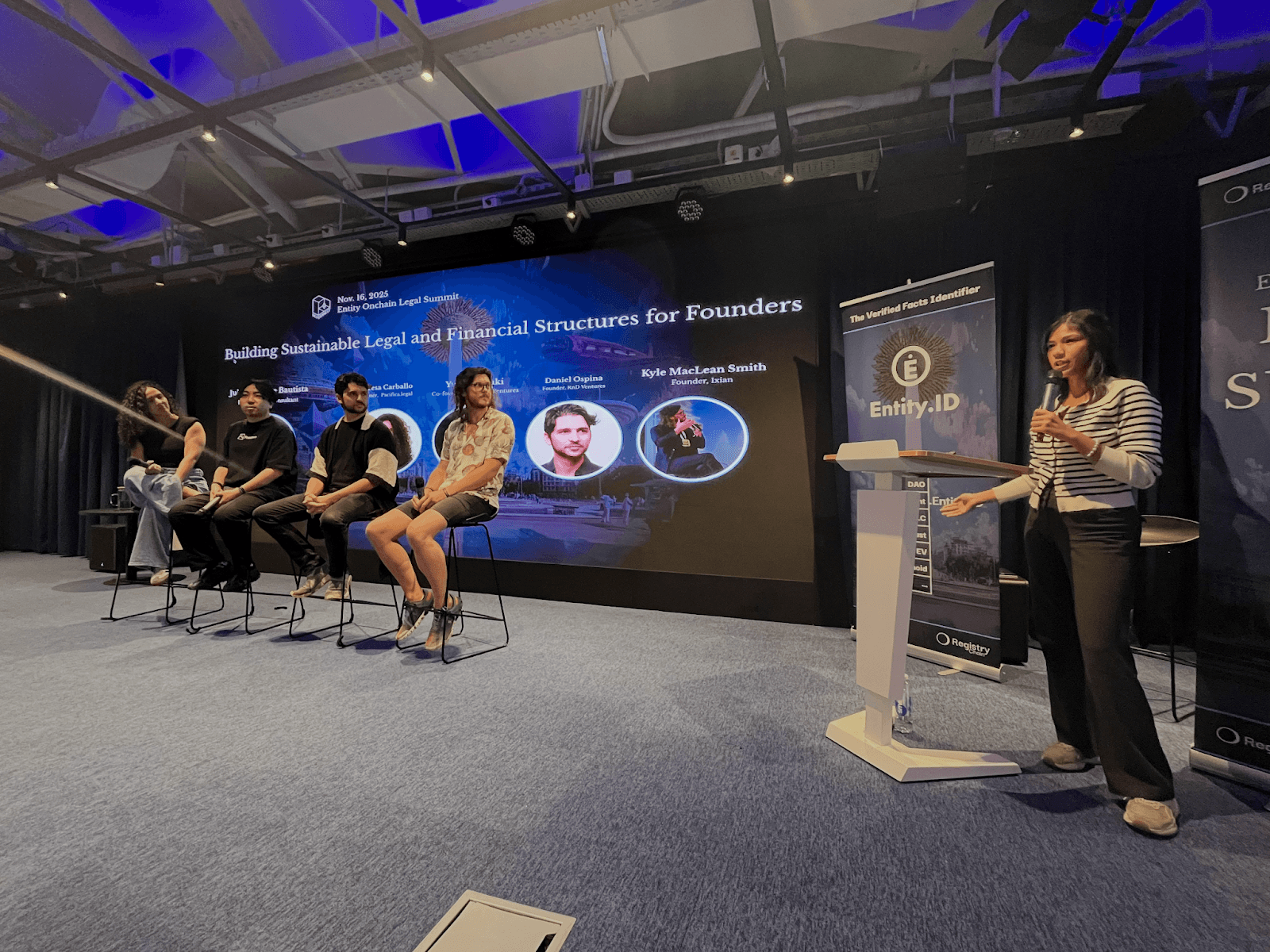
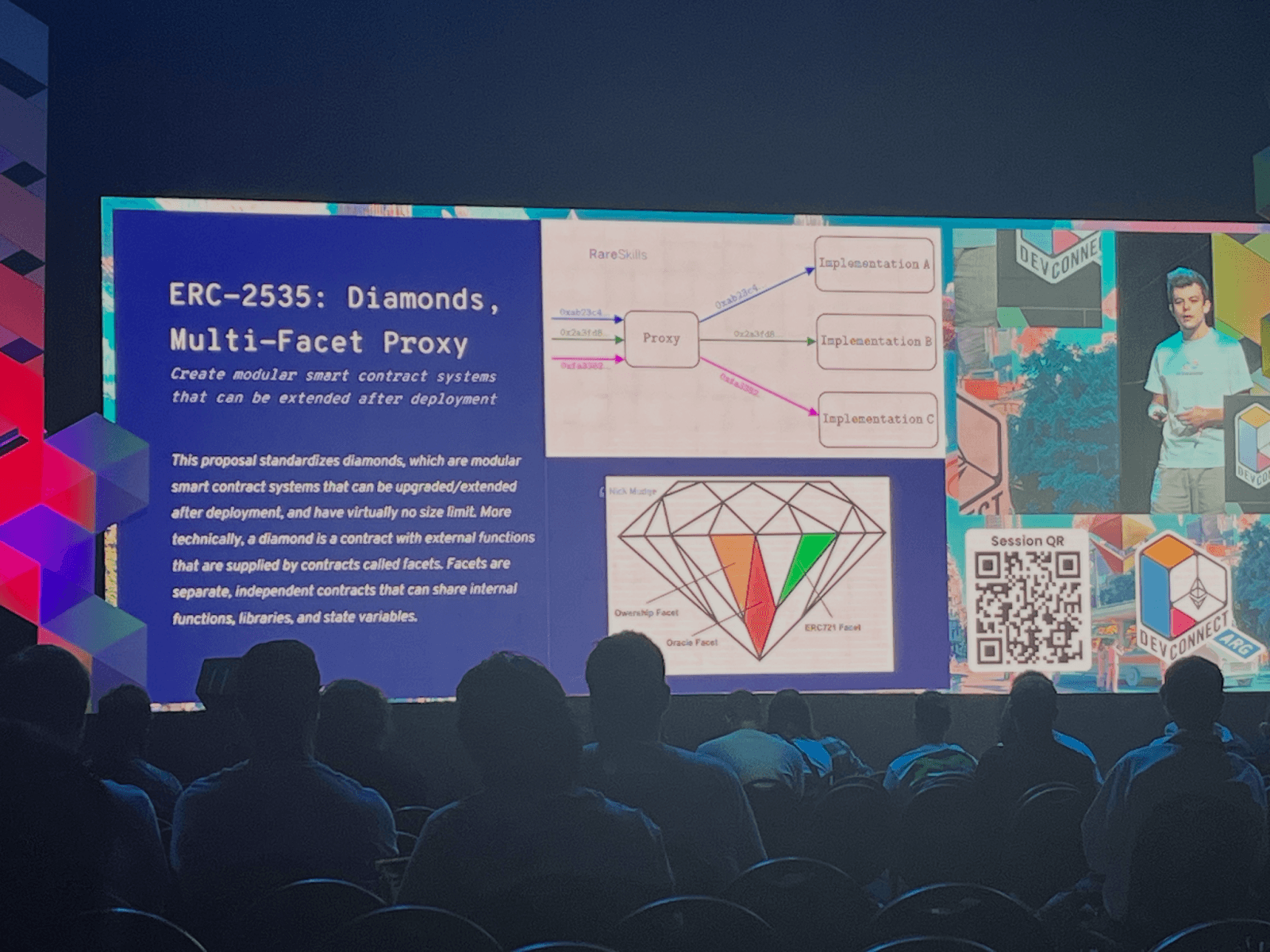
Team Reflections: Q&A
Here’s what the team experienced on the ground, what inspired them, surprised them, and will continue to shape their work moving forward:
Q: What were you most excited about for Devconnect Argentina?
Jeff: Reconnecting with old friends and making new ones across the blockchain community, Solidity Summit, and catching up on the latest technology, especially ZK/privacy and stablecoins.
Dahu: Privacy-related topics.
Grace: Excited to reconnect with Web3 community in-person again! Web3 is so entrepreneurial, and it’s always inspiring to see people chasing their dreams and building the changes they want to see in the world.
William: Alfajores. I mean privacy protocols.
Q: What was the highlight of your trip?
Jeff: With everyone in one physical place, it's a chance to have longer face-to-face conversations with people who we would normally only ever meet over video call. There's still no replacement for being able to have these kinds of high-bandwidth conversations with people once in a while.
Dahu: There are so many local builders in Argentina, way more than I had originally expected.
Grace: Simply being exposed to so many different perspectives: from privacy advocates to institutional builders and regulators, which reinforced how much crypto and Web3 is still in its early stages and need careful balancing of privacy, UX, compliance, and adoption.
William: Judging ETHGlobal submissions and seeing clever new ideas.

Q: Favourite talks?
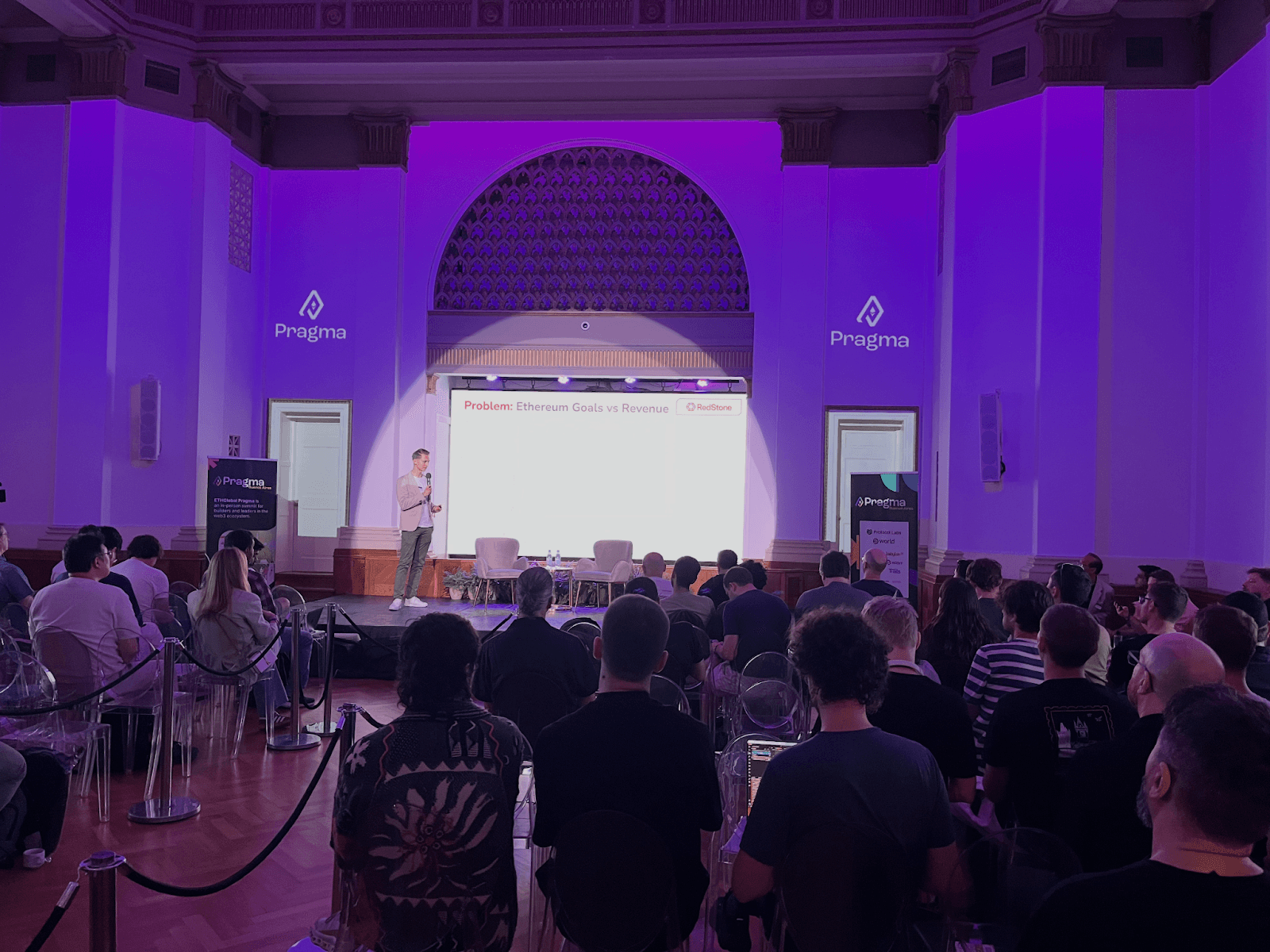
Jeff: There were a lot to choose from, but Martin Derka's talk at ETHGlobal Pragma about the history of DeFi was one of the best summaries of the space that I've heard.
Dahu: Observability Standards for Nodes by James Prestwich at the ETH Client Summit. We need more standards for observability in clients.
Grace: Institutions 🤝 Decentralization by Danny Ryan at Devconnect.
A surprising insight he shared was that Wall Street, or institutions, demand decentralization. Institutions view decentralization through the lens of crucial business needs. Decentralization and credible neutrality at the infrastructure layer reduce, if not eliminate, counterparty risk. Institutions also prioritize 100% uptime, which is considered "really, really important." The resilience of these decentralized systems, supported by multiple clients and thousands of nodes, addresses this need.
William: Peter Van Valkenburgh’s talk on privacy and the privacy-preserving alternatives to traditional KYC/AML.
Q: Favourite side event?
Jeff: Devconnect, in contrast to Devcon, is more un-conference style and mostly side events. It's hard to pick just one, but the Ethereum Cypherpunk Congress on the Sunday before Devconnect started was an event that I might not have otherwise attended had it not been for Devconnect. The speakers shared their experiences from the past and present of fighting for digital freedom, and shared notes of hope and caution for the future. Really great agenda.
Dahu: ETH Client Summit was my favorite. I couldn't go this time but I heard rAAVE was also great.
Grace: I liked the discussions at the Privacy Salon. The format was super interesting, giving speakers 5 minutes to present, followed by 5 minutes of debate. Web3 privacy was a huge topic this year at Devconnect, and it was insightful to hear speakers advocating for their ideas, asking questions, and challenging others.
William: WalletCon - I think wallets are one of the most challenging parts of Web3 UX so it is interesting to see so many projects both competing and cooperating to try and solve it.
Q: What was the best meal you had?
Jeff: Steak, as expected. Although seafood was also surprisingly (for me) good. The fresh-baked medialunas (an Argentinian croissant) were another unexpected find!
Dahu: Excellent beef on night one at Huacho.
Grace: I loved the medialunas served at many of the events! The texture is pillowy with a sweet and buttery taste that makes them so addictive!
William: Sandwich at Dodó café
Q: What was the most interesting builder/project you discovered?
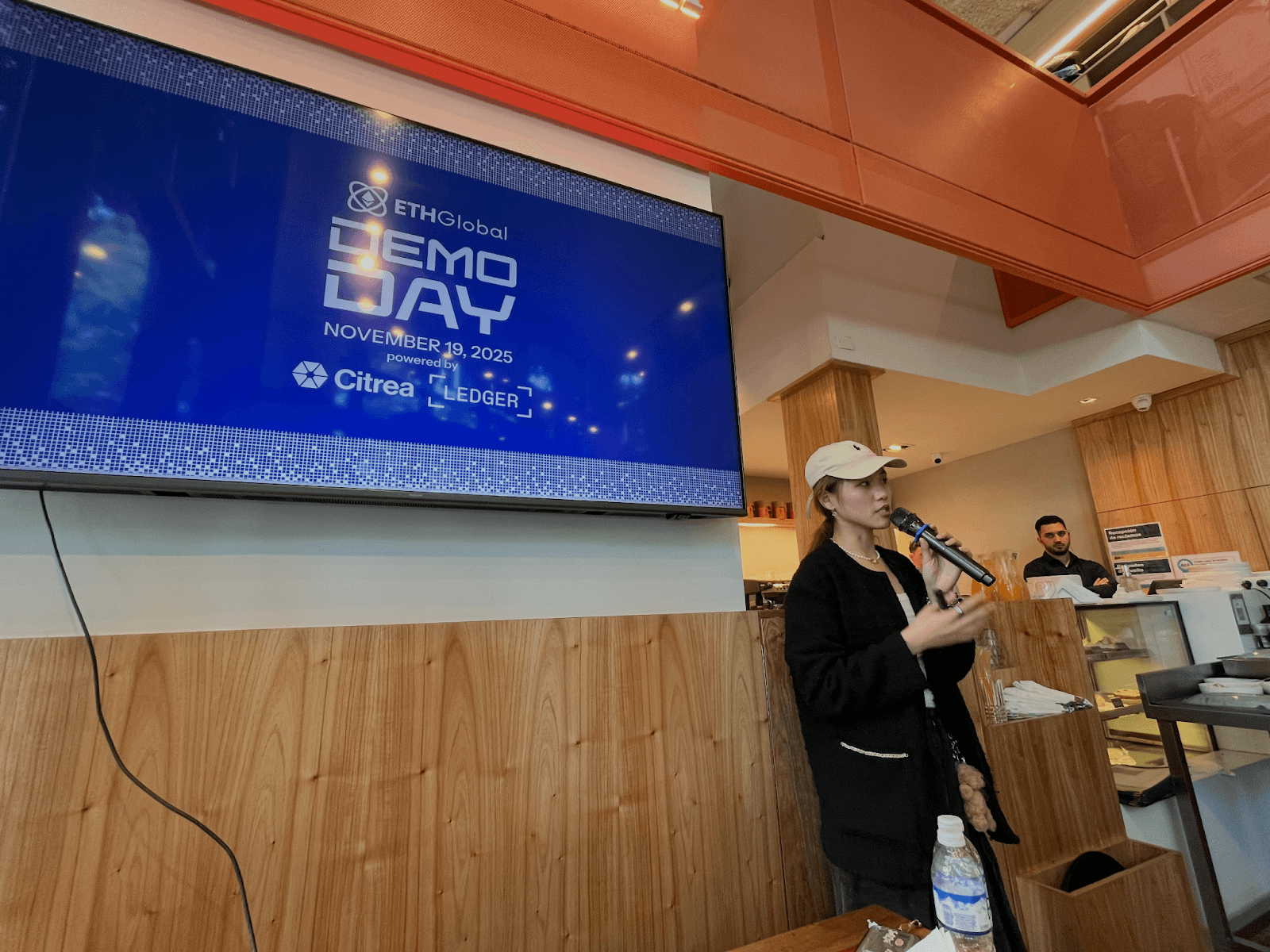
Jeff: The ETHGlobal Demo Day had some super interesting projects that were borne out of earlier hackathons. Looking forward to seeing how that event develops!
Dahu: eRPC - I had never heard of it before, and found it to be interesting.
Grace: Nightfall_4 replaces the older optimistic-rollup design with a zero-knowledge design, giving near-instant finality on transactions without a waiting (challenge) period. It preserves privacy while still leveraging the security and transparency of the public Ethereum network, which seems like a viable path for enterprises that want privacy and compliance. The fact that traditional organizations like EY are working on enterprise-grade privacy solutions shows that crypto is evolving beyond just “experiments”.
William: https://github.com/ethereum/kohaku
Q: Any new ideas you’re excited to explore after this conference?
Jeff: Core Solidity, a step-function improvement in the language, along with improved Solidity debugging.
Dahu: Many, I want to try more of the privacy protocols, and would like to participate more in client development.
Grace: Adoption-focused ideas like building solutions that directly address users’ everyday challenges. The emphasis on practical value and clear use cases felt like a strong direction for driving mainstream adoption. [I’m also interested in] UX-first privacy tooling to improve onboarding, clarity, and error handling so users don’t get lost.
William: Railgun and privacy pools.
ETHGlobal Buenos Aires: Hacker Energy Meets Product Reality (November 21-23)
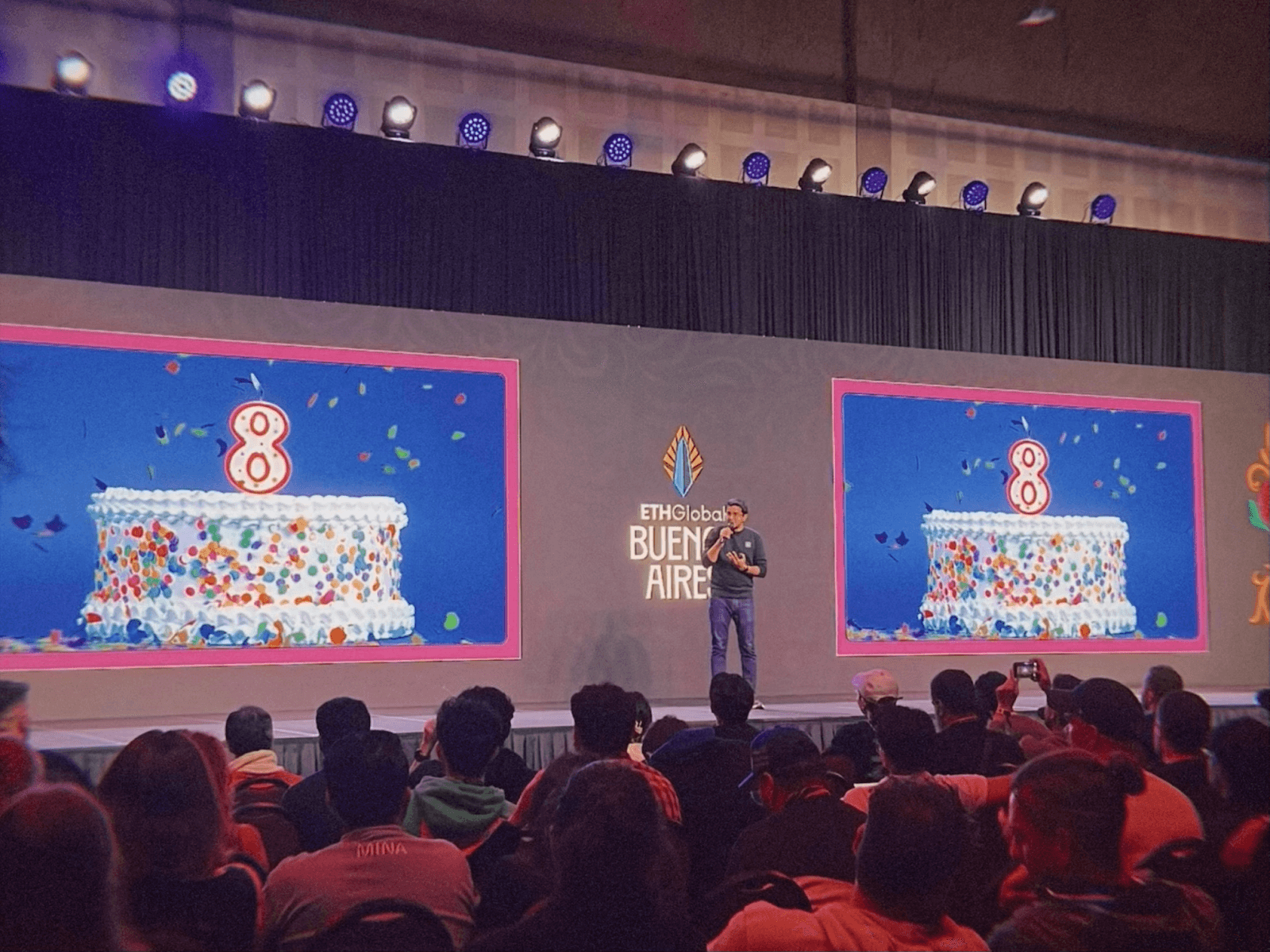
The ETHGlobal Buenos Aires hackathon was brimming with energy, with thousands of builders shipping prototypes in one weekend, with a total prize pool of $500,000.
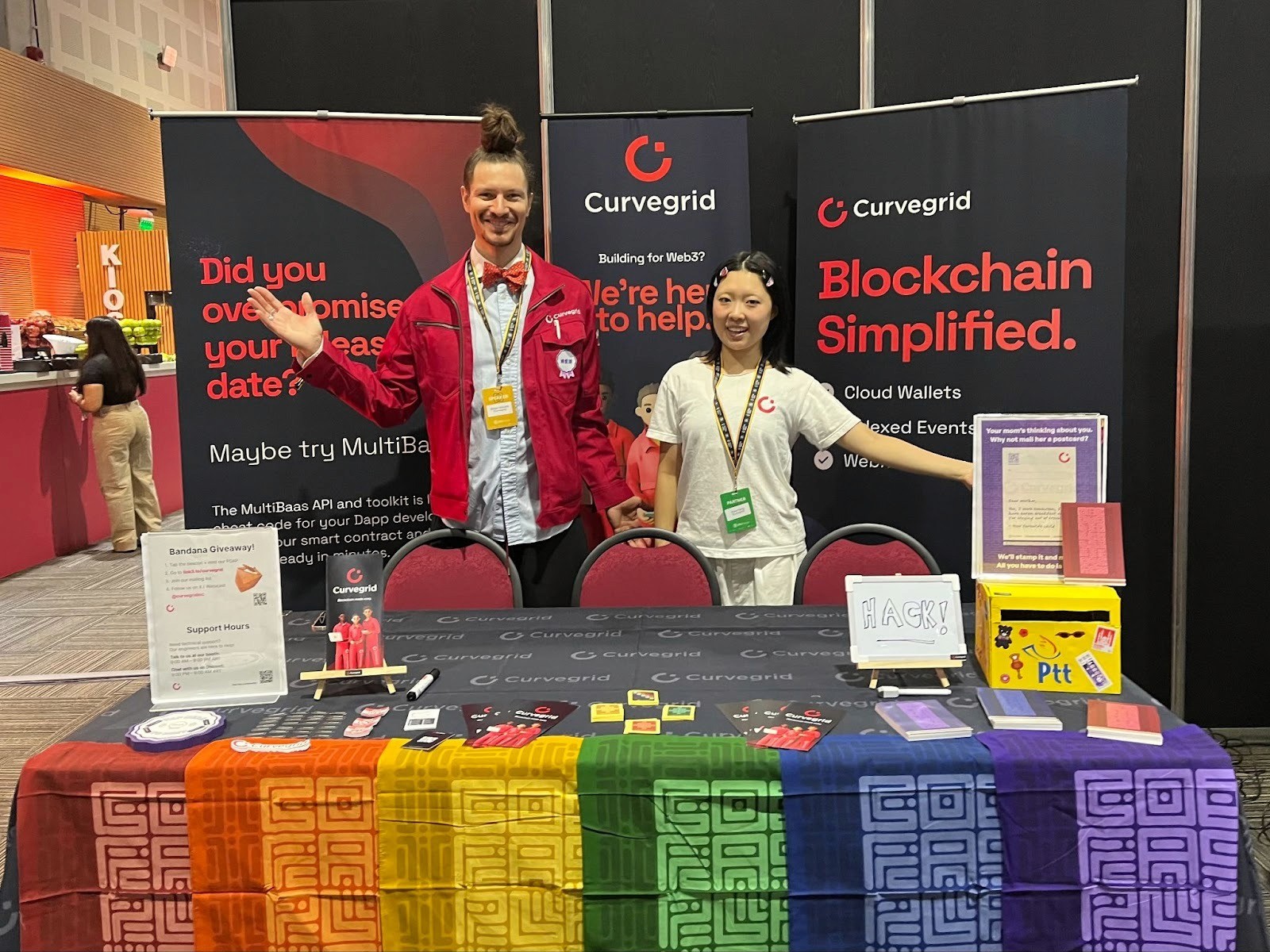
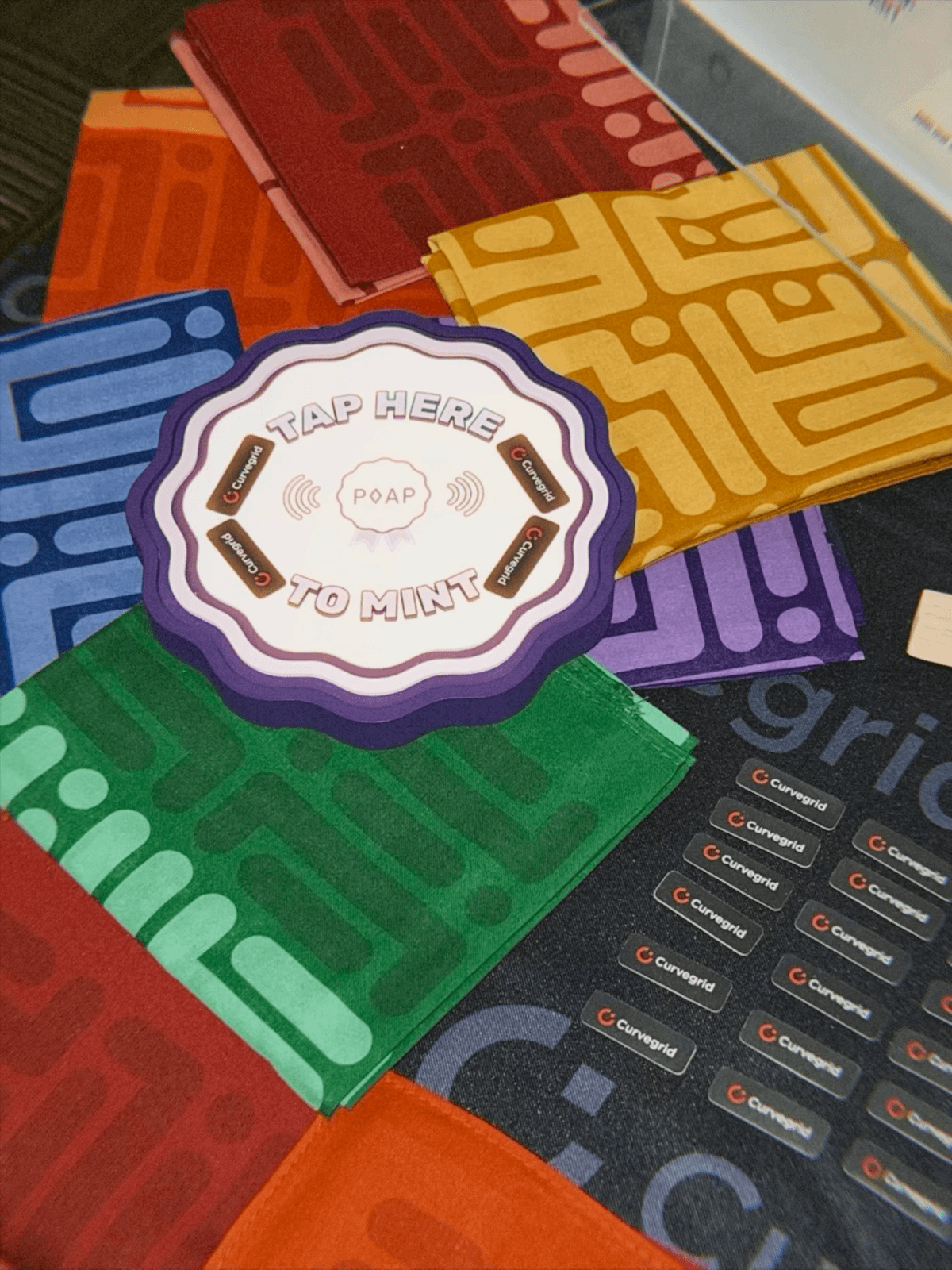
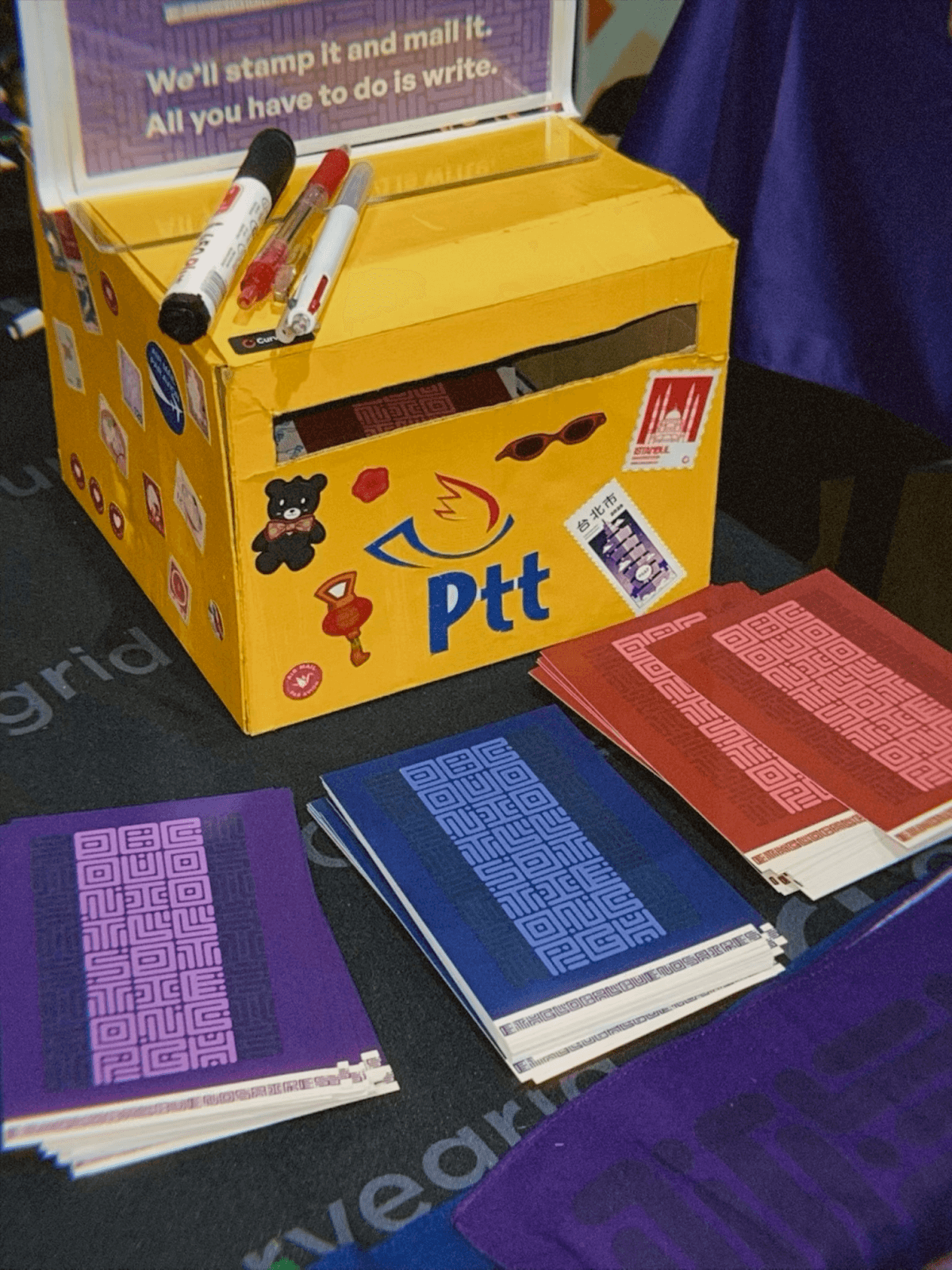
Curvegrid sponsored $5,000 to five teams that demonstrated the best use of MultiBaas, our blockchain development platform. Hackathon attendees who visited our booth even got to take home stickers, POAPs, and colourful bandanas. We mailed out postcards for people who stopped by and wrote something for their loved ones back home.
Curvegrid co-founder William Metcalfe delivered a workshop teaching hackers how to build compliance-enabled RWA projects using MultiBaas, and several teams spun up ideas directly from it.
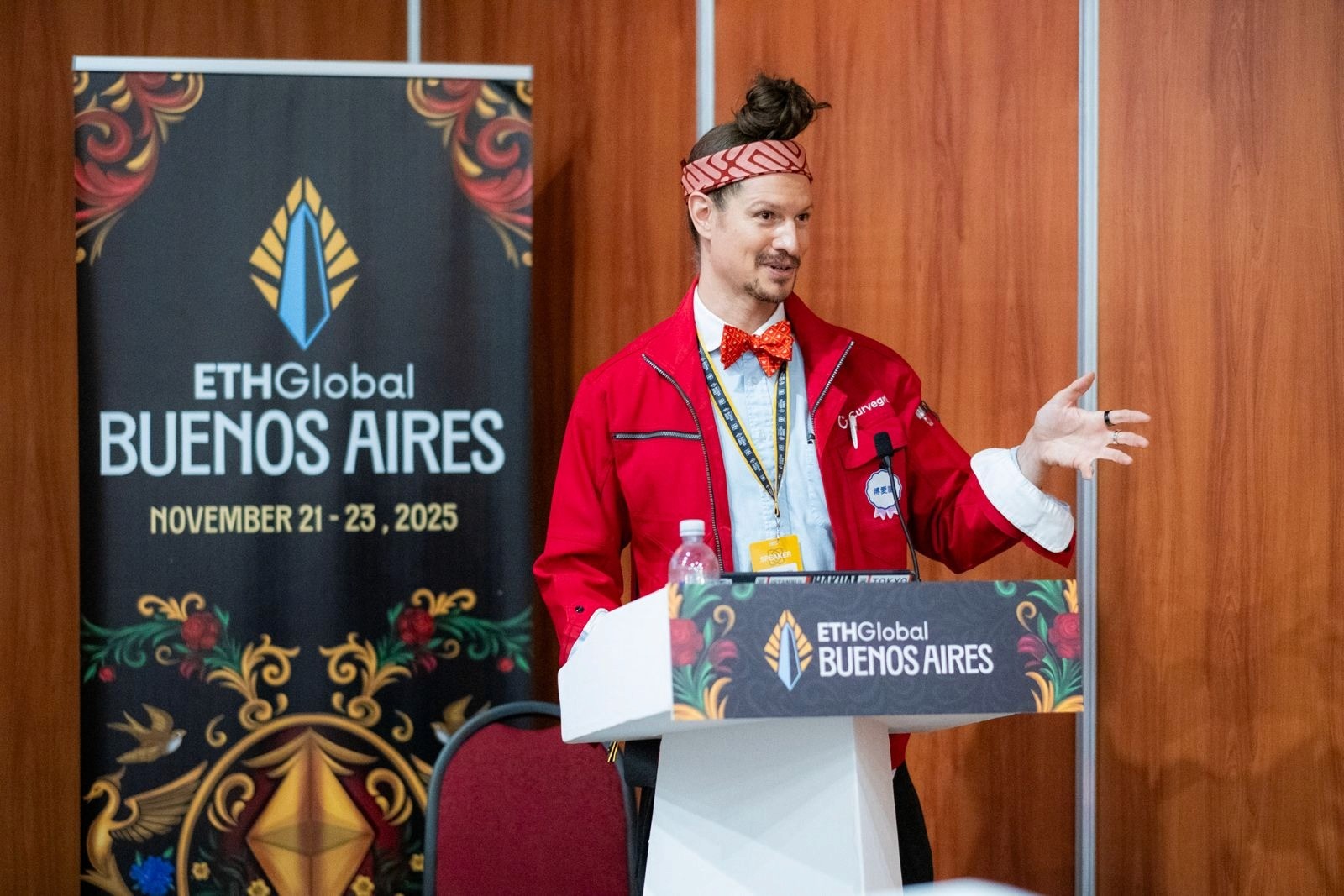
ETHGlobal Buenos Aires reinforced what we already see with our customers: the winners weren’t always the most “clever” on-chain. They were the teams who reduced friction, integrated quickly, and focused on UX and practical business workflows.
Congratulations to our prize winners:
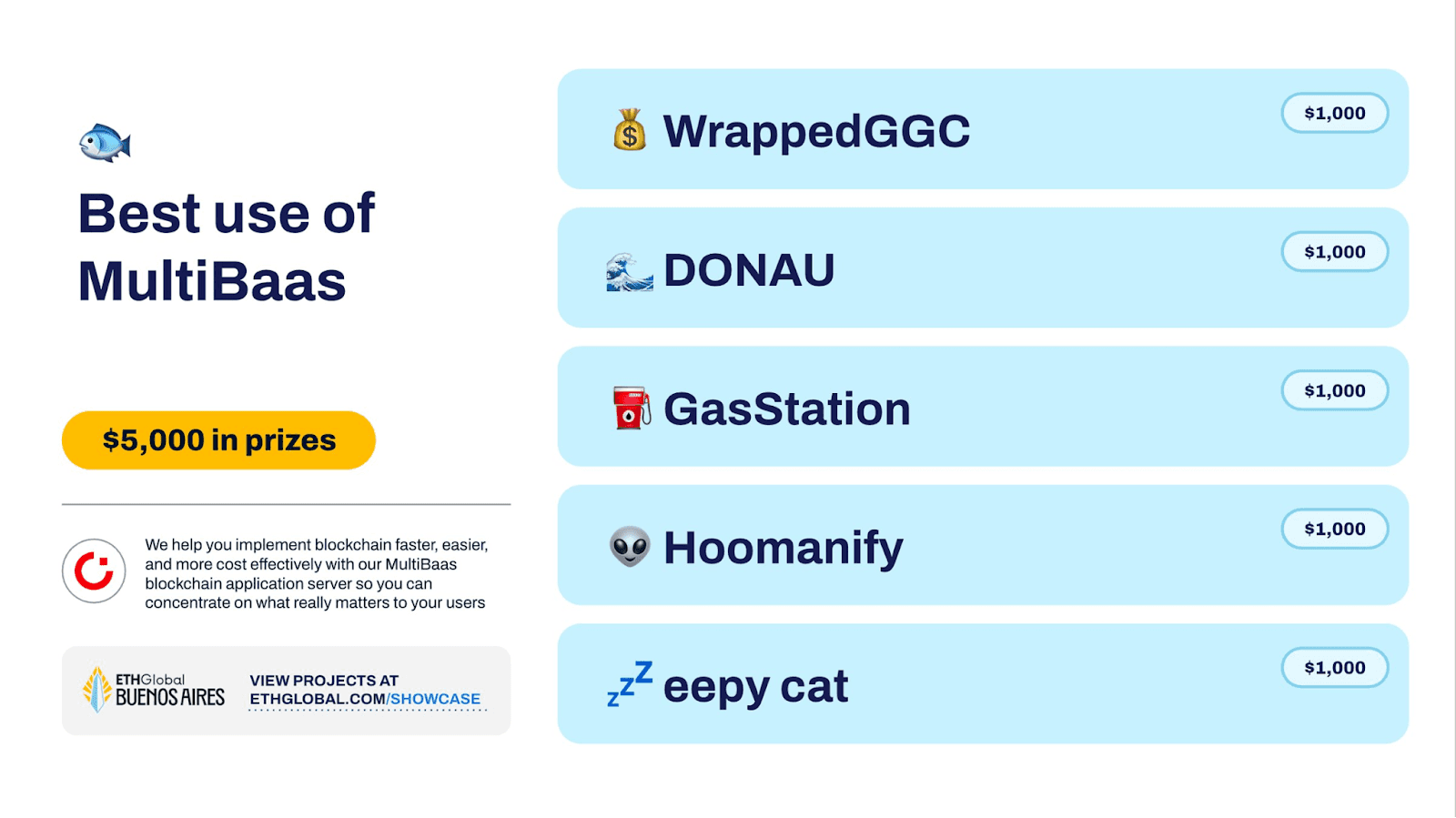
See our full announcement here: https://x.com/curvegridinc/status/1993546481308176819?s=20
Final Thoughts
Devconnect Argentina was the first Ethereum World’s Fair at this scale, pulling in:
75+ showcasing projects
100+ events
20,000 attendees+ from 130 countries
Beyond the numbers, the week showed Ethereum’s growing maturity. The same question kept surfacing in different forms:
How do we build products that balance usability, compliance, and decentralization, without taking control away from users?
Argentina felt like a fitting host for that conversation. It’s a place where people understand volatility, value open systems, and are actively building through real world constraints.
We left Buenos Aires feeling energized and with a sharper sense that the next phase of crypto won’t be defined by novelty, but by products that make life easier for real users and adoption more possible for traditional institutions.